Agentic AI Is Quietly Rewriting Aerospace Engineering Workflows
Across the industry, 2026 is being described as the year agentic AI moves from pilot programs into core decision making.
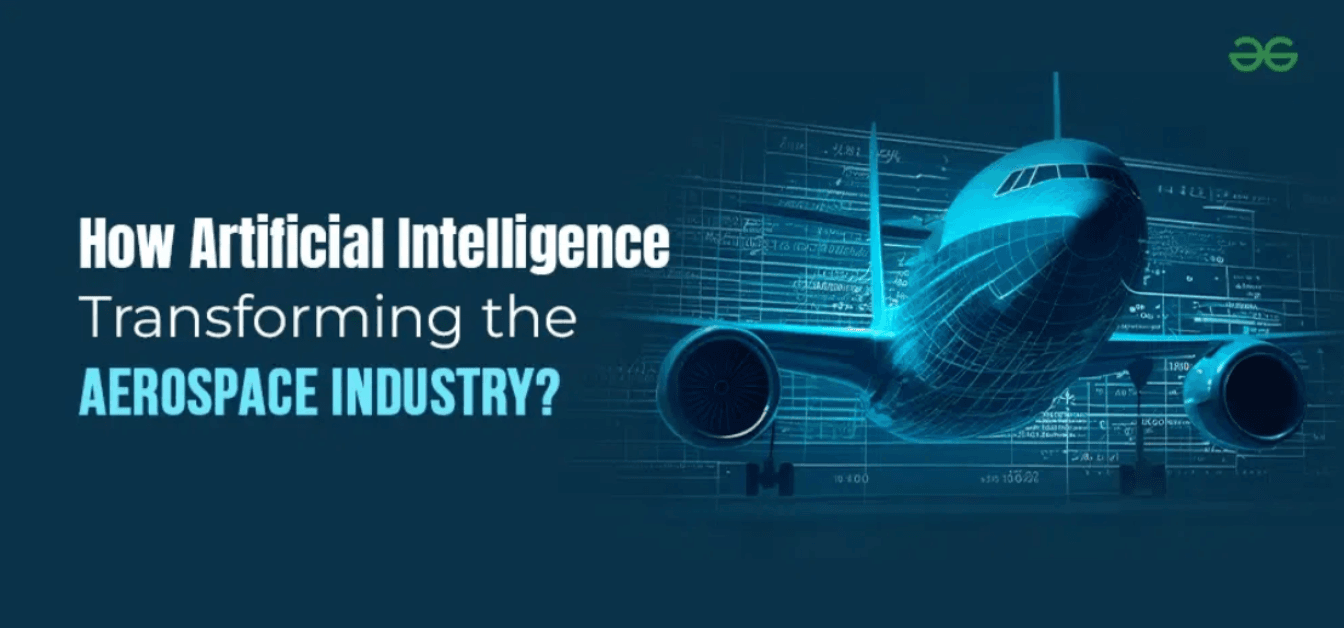
For most of the last decade, artificial intelligence in aerospace meant predictive maintenance dashboards and the occasional anomaly detection model. That era is ending. Across the industry, 2026 is being described as the year agentic AI moves from pilot programs into core decision making, handling flight planning optimization, predictive maintenance scheduling, threat detection, and supply chain resilience with far less human hand holding than before.
The shift matters because aerospace has always been a domain where the cost of an error compounds. A wrong material call or a missed fatigue cycle doesn't just cost money, it costs certification timelines, safety margins, and sometimes lives. Agentic systems are now being deployed precisely because they can run thousands of design and simulation variations faster than a human team ever could, surfacing the handful of configurations worth a closer look.
Digital twins are the natural companion to this shift. Instead of building and scrapping physical prototypes, engineers now maintain a living virtual model of a component or system that tracks performance from concept through maintenance. At Wafi Engineering, this approach already underpins our CFD and structural analysis work, models that are validated against real flight test data rather than treated as theoretical exercises. That validation step is what separates a useful digital twin from an expensive animation.
The other side of this story is decarbonization, which isn't slowing down even as AI dominates headlines. Sustainable aviation fuel adoption is scaling, lightweight composite structures are becoming default rather than premium, and additive manufacturing is increasingly used to produce flight-ready components, not just prototypes because it reduces both material waste and part count.
What ties these threads together is data. Digital thread architectures now connect design, production, and in service performance into a single continuous record, which means a fatigue issue discovered in year six of an aircraft's life can actually inform the next design revision instead of disappearing into a maintenance log. For engineering teams working across UAV platforms, propulsion systems, or structural design, the practical takeaway is the same: the tools for testing ideas before committing metal to a CNC machine have never been more accessible, and the firms that adopt them early are the ones setting the pace on cost and schedule.
None of this replaces the engineer's judgment, it sharpens where that judgment gets applied. AI can run the parameter sweep; it still takes a structural engineer to know which result actually makes physical sense.
Our approach blends custom hardware, system integration, and standard-compliant simulation methodologies. As technology continues to evolve, Wafi Engineering remains dedicated to delivering state-of-the-art engineering solutions that empower local industries and global partners to build cleaner, smarter, and more resilient systems for tomorrow.

Chief Executive Officer, Wafi Engineering
Visionary leader with a strong aerospace engineering background and expertise in strategic management and infrastructure development. Committed to advancing a greener future.