
Pakistan's Solar Boom Is Maturing: Here's What 2026 Actually Looks Like on the Ground
Pakistan's solar sector enters a mature phase where industrial net-billing and energy storage command system designs.
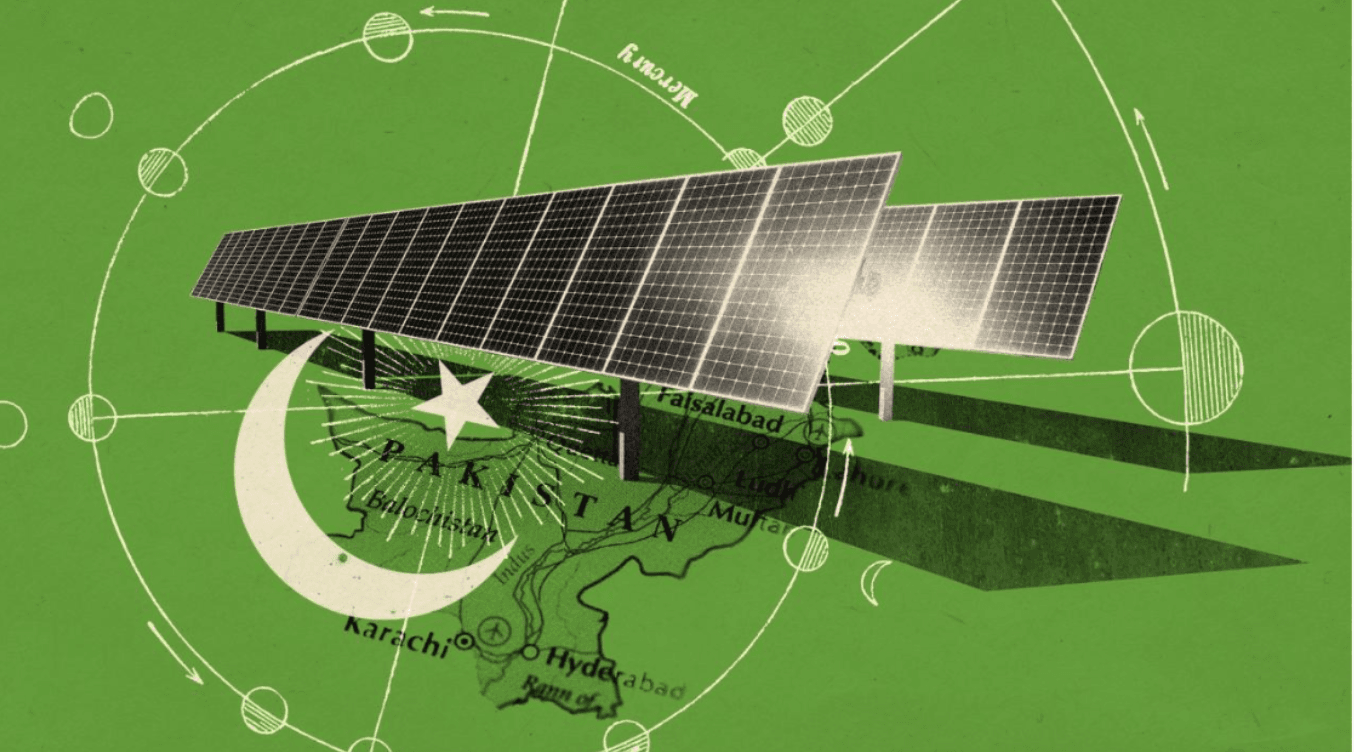
Pakistan's solar story has moved past the dramatic growth curve headlines and into something more interesting: a market that's maturing, segmenting, and starting to reward technical quality over sheer installation volume. Installed solar capacity has now passed 5,000 MW, net metering connections have grown more than tenfold since early adoption years, and commercial and industrial users not households now make up the largest share of installed capacity, led by textile and food processing exporters looking to escape volatile grid tariffs.
That last point matters more than it might seem. For export oriented manufacturers, solar isn't primarily an environmental statement it's a competitiveness tool. Lower, more predictable energy costs translate directly into better pricing for international buyers, which is part of why industrial uptake has outpaced residential growth even as household adoption gets more media attention.
The policy environment is shifting too, and not always in the direction installers would prefer. Net metering buy back rates have been revised downward, and several distribution companies are moving toward net billing structures that reduce the financial benefit of exporting excess power to the grid. The practical effect is that payback period calculations done a year or two ago for a given system size may no longer hold, and any commercial client planning a large installation should be getting current numbers, not numbers from when the project was first discussed.
This is also why the next phase of growth in Pakistan's solar sector looks less like "more panels" and more like "panels plus storage." As pure net-metering economics get less favorable and the grid struggles with uneven day night load distribution from high daytime solar penetration, integrated PV plus battery systems are emerging as the more durable choice especially for industrial users who need reliable power around the clock, not just during sunlight hours.
Wafi Engineering's own 500kW commercial solar installation reflects this shift in client thinking, businesses aren't just asking "can we go solar," they're asking "how do we build a system that still makes financial sense under tomorrow's tariff structure, not just today's." That's a materially different design conversation, and it rewards installers who understand both the engineering and the regulatory trajectory.
One real risk worth flagging plainly: market growth has attracted lower grade imported panels into price sensitive segments. For a commercial buyer, the cheapest quote per watt isn't necessarily the cheapest system over a 25-year service life, module quality and inverter reliability compound over decades, and that's exactly where corners get cut when price competition gets aggressive.
Our approach blends custom hardware, system integration, and standard-compliant simulation methodologies. As technology continues to evolve, Wafi Engineering remains dedicated to delivering state-of-the-art engineering solutions that empower local industries and global partners to build cleaner, smarter, and more resilient systems for tomorrow.

Managing Director – Sustainable Infrastructure, Wafi Engineering
Infrastructure engineer specializing in large-scale residential designs, solar power integration, and smart sustainable construction engineering.