

Why Hypersonics and eVTOLs Are No Longer Science Fiction Line Items
Two aerospace categories that sounded speculative five years ago are now showing up in serious procurement conversations: hypersonic flight and eVTOL aircraft.
Two aerospace categories that sounded speculative five years ago are now showing up in serious procurement conversations: hypersonic flight and electric vertical takeoff and landing (eVTOL) aircraft. Neither is mainstream yet, but both have crossed the threshold from research curiosity to engineering problem, which is a meaningfully different phase.
Hypersonic systems, defined by speeds above Mach 5, have moved forward on the strength of new propulsion concepts like rotating detonation engines, which promise better fuel efficiency at extreme speed than traditional designs. The engineering challenge isn't really the speed itself, it's everything that speed does to a structure: extreme thermal loads, pressure differentials, and material limits that conventional aerospace alloys weren't designed to survive. This is materials science and structural engineering working in lockstep, not just propulsion innovation in isolation.
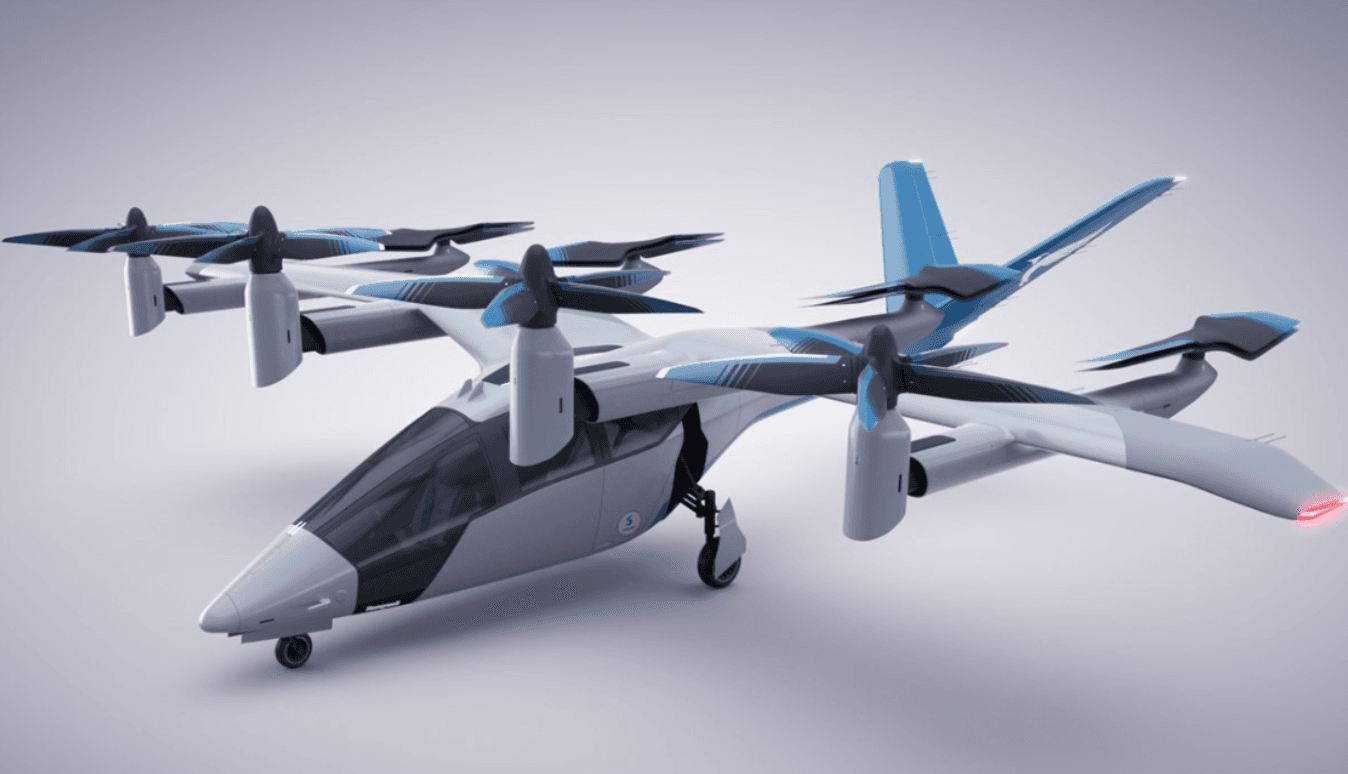
eVTOL aircraft, the backbone of the emerging urban air mobility category, face a different but equally unforgiving constraint: weight. Every kilogram saved in the airframe is a kilogram of battery or payload gained, which is why advanced composites and smart structural design dominate eVTOL development conversations. The long-term ambition is short-haul urban transport, but the more immediate, defensible use cases, cargo delivery, surveillance, medical logistics, are where most credible engineering work is actually happening right now.
This is the same logic that shapes UAV development more broadly. When Wafi Engineering's aerospace team works through a UAV prototype, the goal is rarely the most exotic possible airframe, it's the configuration that survives real flight conditions, meets payload requirements, and can actually be manufactured and maintained at a sustainable cost. Glamorous concepts get attention; disciplined trade off analysis is what gets something into the air reliably.
There's a useful pattern underneath both hypersonics and eVTOLs: breakthrough propulsion or speed claims are only half the engineering problem. The harder half is almost always structures, thermal management, and materials, the parts of the story that don't make headlines but determine whether a concept survives its first real test flight.
For engineering firms watching this space, the lesson isn't to chase every emerging category. It's to build deep simulation, materials, and structural testing capability that transfers across categories, because today's UAV propulsion problem and tomorrow's eVTOL structural problem are closer cousins than they first appear.
Our approach blends custom hardware, system integration, and standard-compliant simulation methodologies. As technology continues to evolve, Wafi Engineering remains dedicated to delivering state-of-the-art engineering solutions that empower local industries and global partners to build cleaner, smarter, and more resilient systems for tomorrow.

Managing Director – Aerospace, Wafi Engineering
Experienced aerospace systems engineer managing high-fidelity CFD simulations and UAV prototyping lifecycles to deliver robust flight technologies.